Wang AIM Lab · Alfred University
Artificial Intelligence and Materials Lab
Research keywords: AI-driven materials discovery; machine learning for alloys and ceramics; AI for battery health and lifetime; materials for extreme environments; high-entropy alloys and ceramics; electron microscopy.
Welcome
The Artificial Intelligence and Materials (AIM) Lab is a research group in the Inamori School of Engineering at Alfred University, led by Dr. Kun Wang. As the name says, we bring artificial intelligence and materials science together: machine-learning models trained on published data and on our own high-throughput experiments point to promising new alloys and ceramics, and we then make, test and examine those materials in the laboratory, down to the atomic scale.
Our focus is on structural materials for extreme environments, such as refractory high-entropy alloys, ultra-high-temperature ceramics and materials for fusion and fission energy, where intense heat, radiation and corrosion act together. With support from the NSF Energy Storage Engine in Upstate New York, we also bring AI to batteries, building models that forecast a battery's health and remaining life.
- Data Curated literature datasets and high-throughput experiments on multilayer samples.
- Artificial intelligence Machine-learning models that predict phase stability, strength and oxidation resistance.
- Materials Synthesis, testing and electron microscopy that check the predictions and explain the mechanisms.
Research
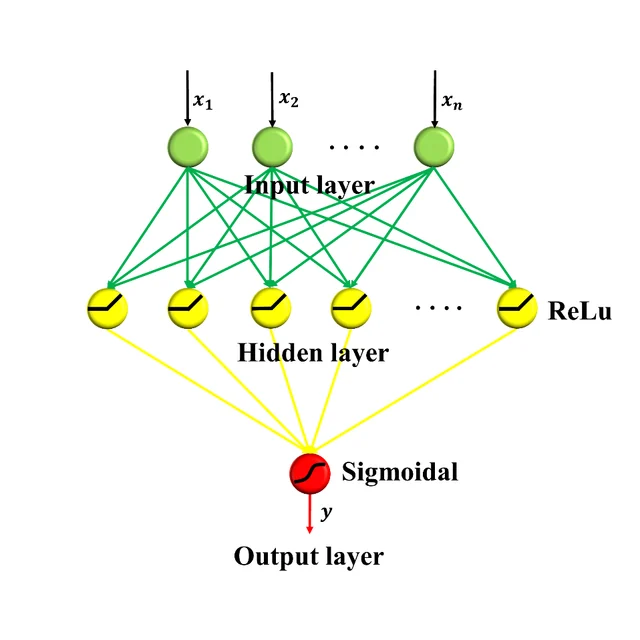 Artificial intelligence for materials discovery
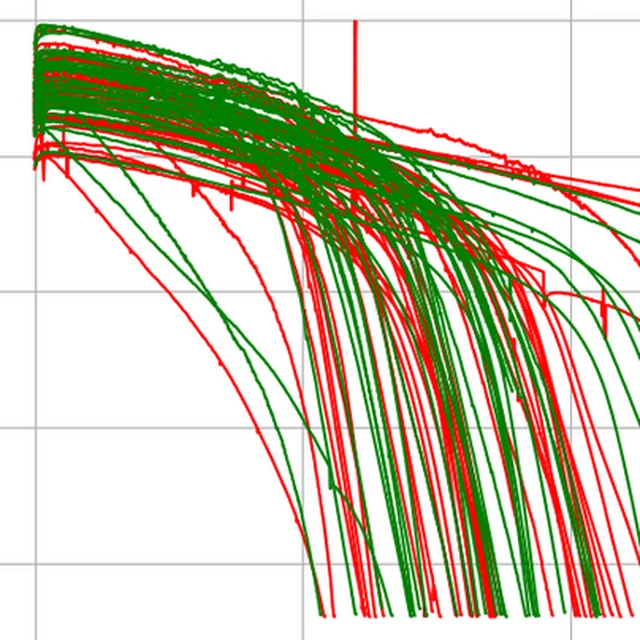 Artificial intelligence for batteries
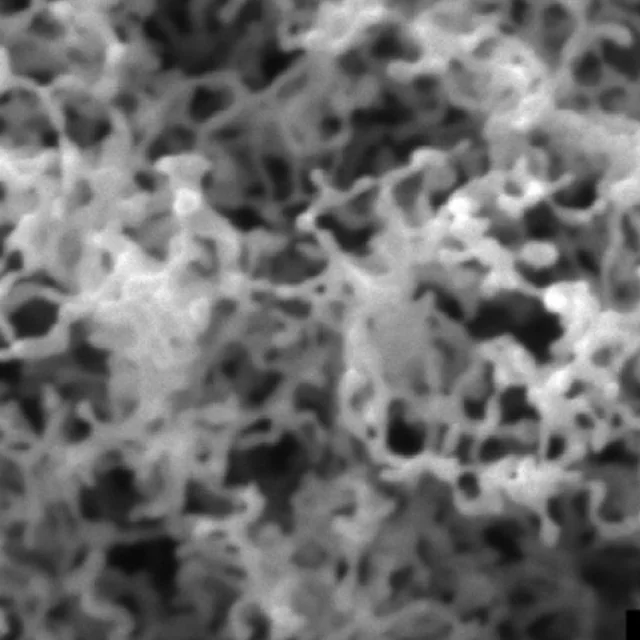 Materials under irradiation and plasma
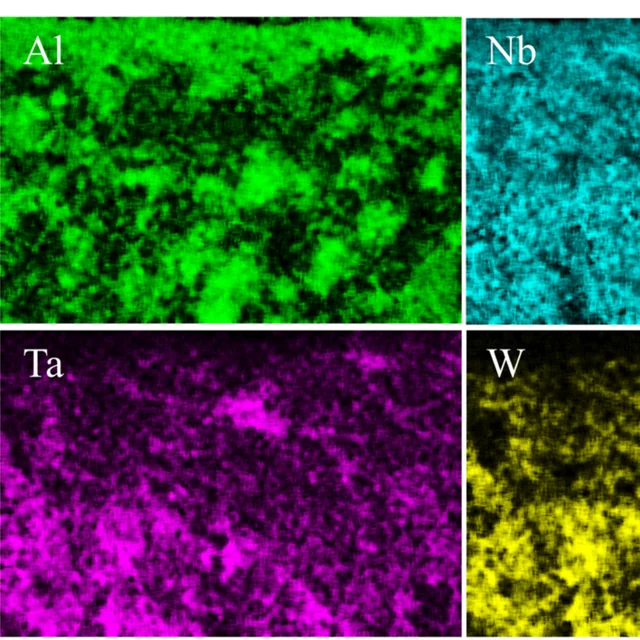 Oxidation and corrosion at extreme temperatures
 Multi-scale electron microscopy
Battery AI workforce training
Through the NSF Energy Storage Engine in Upstate New York, the lab trains students in battery AI. In the classroom, ENGR 472 teaches how to read battery test data and build machine-learning models from it. In the lab, undergraduate researchers spend the summer on battery AI projects, most of them models that predict battery health and lifetime. More about the training.
News
Join us
We welcome students who want to work where artificial intelligence meets materials science, whether your background is in materials, mechanical engineering, physics, chemistry or computing. Find out how to join or collaborate.